

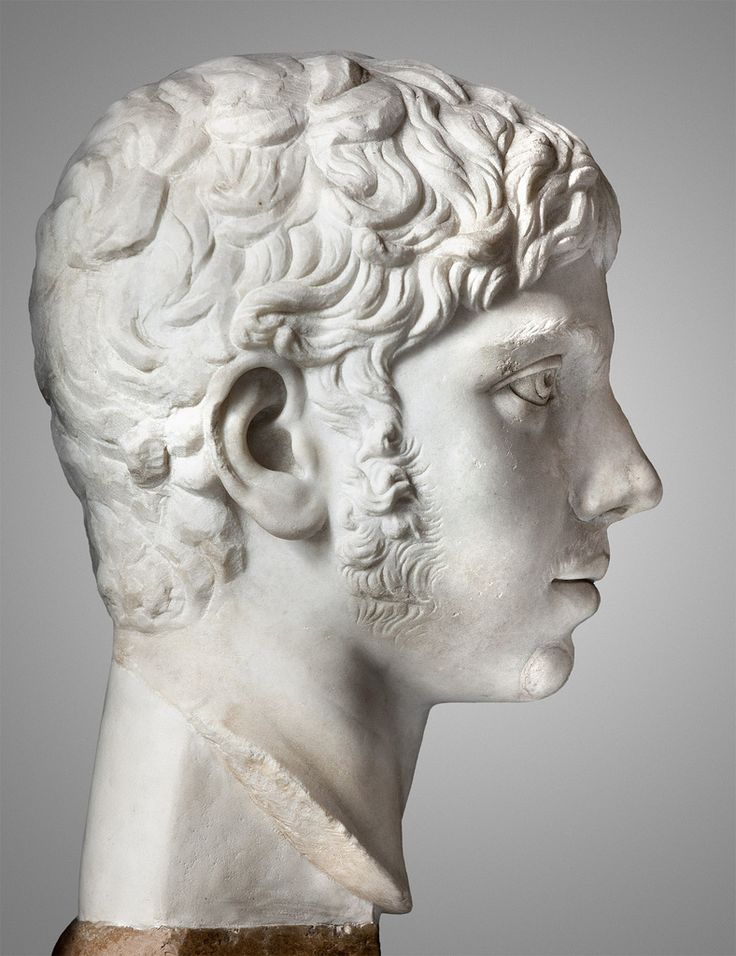
Image source: Pinterest
If Elagabalus showed us what happens when you target the wrong audience, then Claudius shows us something even more frustrating:
Sometimes your audience doesn’t want authenticity.
Continuing our series on Roman PR techniques… let’s talk about how Claudius accidentally became the case study for “excellent product, shallow market.”
👥 Authenticity Only Works When the Audience Cares
Modern branding lives off authenticity, continuity, reliability, transparency, all the traits Claudius had in spades.
According to research in Brand Authenticity: Towards a Deeper Understanding of Its Conceptualization and Measurement, audiences trust brands that show consistency and genuine intention. And consumer studies today emphasize that people crave credibility and relatability in public figures.
But here’s the catch:
Authenticity only lands if your audience values it.
If they’re shallow? It bounces right off.
Enter: Rome.
🏛️ Who Was Claudius? (For When You Ditched History Again~)
- Born 10 BC, unexpectedly became emperor at 50 after Caligula’s assassination.
- Physically disabled (a limp, a tremor, a stutter), which Romans interpreted as weakness.
- A nerd. A historian. A scholar.
- Loved administration (yes, genuinely).
- Expanded the empire, reformed the bureaucracy, stabilized finances, and revived traditional rites.
- Public opinion? Mixed at best. Elite opinion? Mostly contempt.
As Suetonius notes in The Twelve Caesars, Claudius was mocked for his appearance and mannerisms long before he ever sat on the throne, and even after he proved himself competent, many still couldn’t take him seriously.
Modern historians echo this: despite being “an unlikely conqueror and builder,” he never fully overcame the optics problem Rome had with his body and vibe. (TheCollector.com)
⚡ The PR Lessons Claudius Never Signed Up For
1. Competence ≠ Charisma
Claudius was the opposite of spectacle. He didn’t perform power, he did the work.
Rome wanted the performance.
2. You Can Be Authentic… and Still Lose
According to modern brand-authenticity research, consistency and transparency build trust, but only if the audience is open to it.
Rome saw his authenticity as awkwardness.
3. Optics Override Outcomes (When Audiences Are Shallow)
Claudius expanded Rome’s territory, strengthened imperial administration, and restored stability.
But Romans kept fixating on the limp, the stutter, the nerdiness.
Image > impact.
4. Your Values Might Not Be Your Audience’s Values
Claudius valued competence, reason, and tradition.
Rome valued masculinity, bravado, elegance, and presence.
Mismatch = PR disaster.
💡 What PR Pros Should Learn
- Authenticity only works when the audience rewards authenticity.
- Even a strong “product” fails if the market is driven by aesthetics, not substance.
- Optics matter, not because they reflect truth, but because they shape perception.
- Know what your audience idealizes before assuming sincerity will win them over.
Claudius was a reliable, competent, stabilizing leader.
It didn’t matter.
Rome didn’t want a nerd who did paperwork. They wanted a god-king who looked good doing nothing.
💬 Your Turn
Whose public image do you think suffered because audiences cared more about looks and vibes than actual competence?
And for our next Roman PR breakdown… are we diving into Caligula’s over-exposure problem or Nero’s brand collapse through spectacle?
Comment below and let’s pick the finale together. 🏛️✨




 Maria's PR Tips